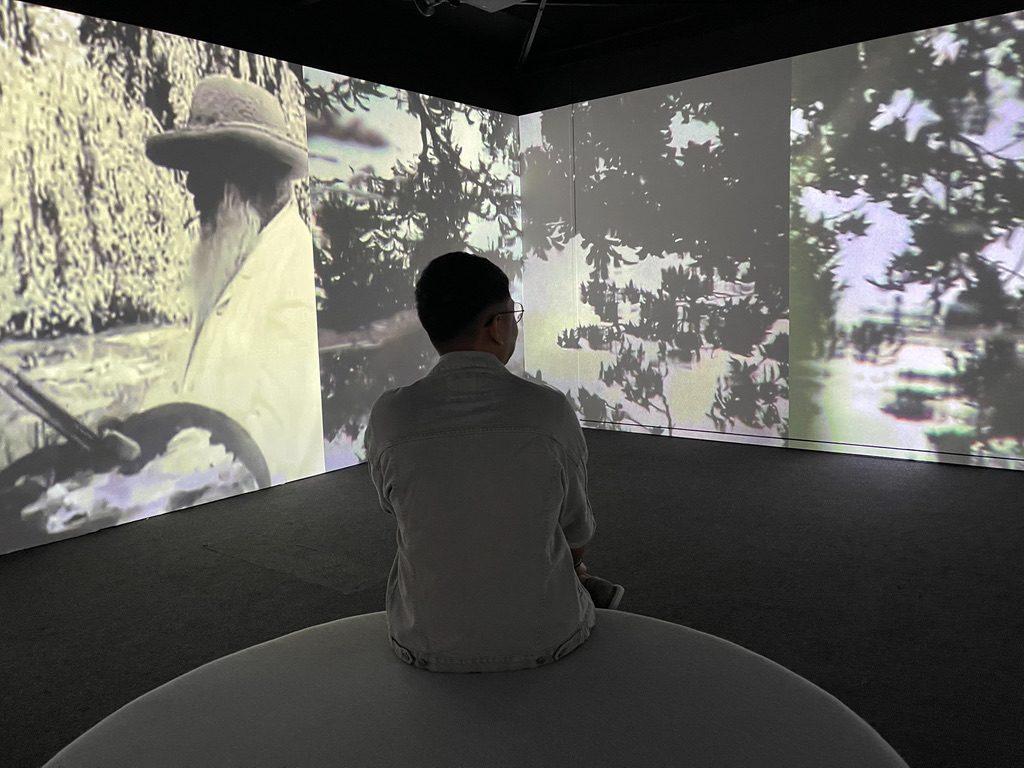
This essay is drawn from a panel discussion where I served as one of the panelists for Umpukan sa Nayon: No Object Unturned, organized by the Nayong Pilipino Foundation in October 2020. The conversation sought to explore the ethical, cultural, and historical dimensions of museum collections, especially those connected to indigenous communities. What follows is an expanded reflection based on the insights I shared during that session.
Heritage preservation and interpretation are among the most visible responsibilities of institutions entrusted with cultural collections. Yet across the world, and especially among indigenous communities, concerns have long been raised about the limits of museum display as a means of expressing and safeguarding culture. Culture is not static; it is a living process that holds both continuity and change. When objects are removed from their contexts and placed behind glass, museums risk becoming “cemeteries of objects,” repositories where items are stored but the life that animates them is lost. A story, a song, a ritual, or a dance cannot be fully captured in an artifact isolated from the community that breathes meaning into it.
This reality invites a shift in emphasis, one that expands preservation beyond the protection of objects to include the safeguarding of context, practice, and meaning. Such a shift requires the re-socialization of objects, specifically their return to communities of origin where they carry ceremonial, educational, and intergenerational roles. In these environments, objects do not simply represent intangible heritage; they renew it, sustaining the cultural systems that give them life. What is restored is not only the object itself but also the means through which indigenous knowledge is transmitted across generations.
Understanding the work of return in this broader sense shows that it is far more than the physical act of handing back an item. It becomes a process of repairing relationships, restoring cultural agency, and recognizing the authority of communities long excluded from decisions about their own heritage. Many collections were assembled under conditions of asymmetrical power, during times when objects were taken without full consent, under coercive economic circumstances, or through misunderstandings about their ritual and cultural significance. When such objects were removed, the communities they came from lost more than a material item; they lost a link in the chain of memory, practice, and cultural identity.
When institutions commit to the work of return, they help mend these ruptures. Communities can once again activate the ceremonial and pedagogical functions of the objects. Regalia can be used in rites of passage, ritual items can resume their place in cosmological practices, and objects held in trust for ancestors can be reintegrated into the spiritual systems that give them meaning. In these moments, return becomes a cultural act that strengthens the living fabric of indigenous identities.
There is also a deeper epistemic dimension to this work. Museums have historically positioned themselves as the primary interpreters of cultural material, often overshadowing indigenous knowledge systems. Return shifts interpretive authority back to the communities themselves, allowing their classifications, stories, and cultural protocols to guide the meaning and future of these objects. In doing so, return corrects longstanding imbalances in whose knowledge is recognized, documented, and valued.
For institutions like the Nayong Pilipino Foundation, engaging in this form of return requires careful reflection and ethical clarity. Provenance research becomes not just a scholarly exercise but an honest reckoning with history. It demands confronting difficult questions about how objects arrived in the collection, what consent looked like at the time, and whether certain items can or should remain in institutional custody. It also means embracing community governance systems and cultural protocols, and supporting shared decision-making about care, interpretation, and use.
Return, of course, does not always occur in a single form. It may take the shape of ceremonial repatriation, joint stewardship arrangements, long-term community loans, or collaborative care agreements. Whatever the model, the core goal remains the same: communities must regain cultural authority over the objects and the heritage systems they belong to. Institutions, for their part, must recognize that stewardship is not ownership, and that their role is to support cultural renewal rather than define it.
As institutions embrace this work, they also help create conditions for healing. Acknowledging historical harms and valuing indigenous dignity rebuilds trust and transforms institutions into active partners in cultural renewal. When an object returns home and resumes its living function, preservation is not diminished; it is realized in its most meaningful form.
Alongside this ethical work, institutions also bear the responsibility of shaping public understanding of heritage. Critical conversations about historical injustices must be made accessible to the wider public. Online platforms offer important avenues for such engagement. Webinars can delve into specific themes, social media can host informational materials and foster dialogue, and institutional websites can house knowledge products, news, and other educational content. Videos, infographics, and feature articles can help broaden awareness and spark conversations about ownership, cultural rights, and ethical stewardship. These materials equip the public to understand not only the history of objects but also the work involved in returning meaning and agency to communities.
The role of digital engagement has only grown, especially after COVID-19 reshaped how people interact with cultural spaces. Virtual museums offer new ways of access, yet they also bring the challenge of losing the physical experience: the scale of an object, the spatial immersion of a gallery, the atmosphere of a cultural environment. For virtual experiences to be meaningful, they must remain grounded in the purpose of the museum and aligned with the motivations and learning styles of visitors. Sustaining attention in a digital environment requires intentional design: music, videos, layered narratives, and interactive pathways that keep audiences engaged.
Virtual spaces also offer informal learning environments shaped by visitors’ own assumptions and prior knowledge. Well-designed digital exhibitions should not only present information but also engage with these assumptions, challenge them when necessary, and open new pathways of understanding. Effective virtual museums balance information with motivation, clarity with curiosity, and must continue to embody the original spirit of the museion: a place of inspiration, not simply a repository of facts.
Whether encountered physically or virtually, cultural institutions are ultimately tasked with telling the complex and sometimes difficult stories attached to the objects in their care. These stories are intertwined with histories of acquisition, identity, representation, and struggle. By embracing honesty, fostering dialogue, enabling learning, and centering community voices, institutions can transform collections from static displays into catalysts for renewal. Through this commitment, they preserve not only the objects themselves but also the living cultures that give those objects meaning.

 Being Here, Now.
Leave a comment