-
Developmentspeak of “Populorum Progressio (1967)”
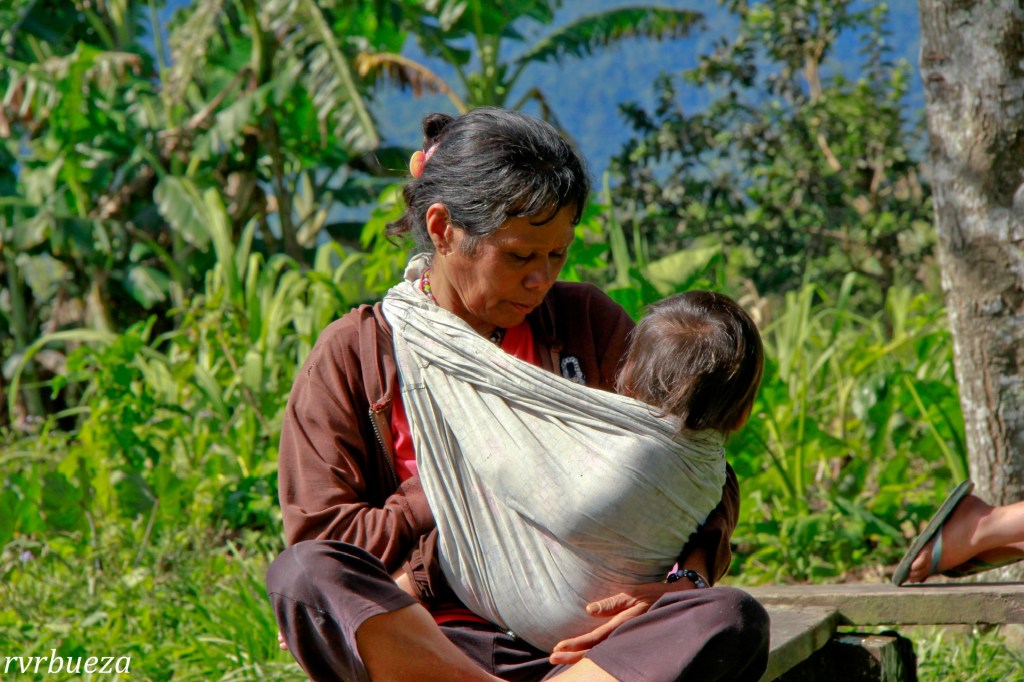
Any attempt at exploring the different discourses on development – its nature, extent, and meaning(s) – needs to also consider the language, context and content of the Catholic Social Teaching (CST) on development especially in the Papal encyclical Populorum Progressio (trans. “On the Development of Peoples,” abbreviated to PP). It needs special consideration because of Continue reading
-
Examining the Vision of Mindanao 2020
The Mindanao 2020 Peace and Development Framework Plan is, in itself, a remarkable attempt at collaboration and clear-sightedness. The document is built on the idea that the situation in Mindanao must be changed and that the problem must be addressed at its roots. But in every development framework, one must ask several questions: 1) Development Continue reading
-
slowly, slowly, the bonsai
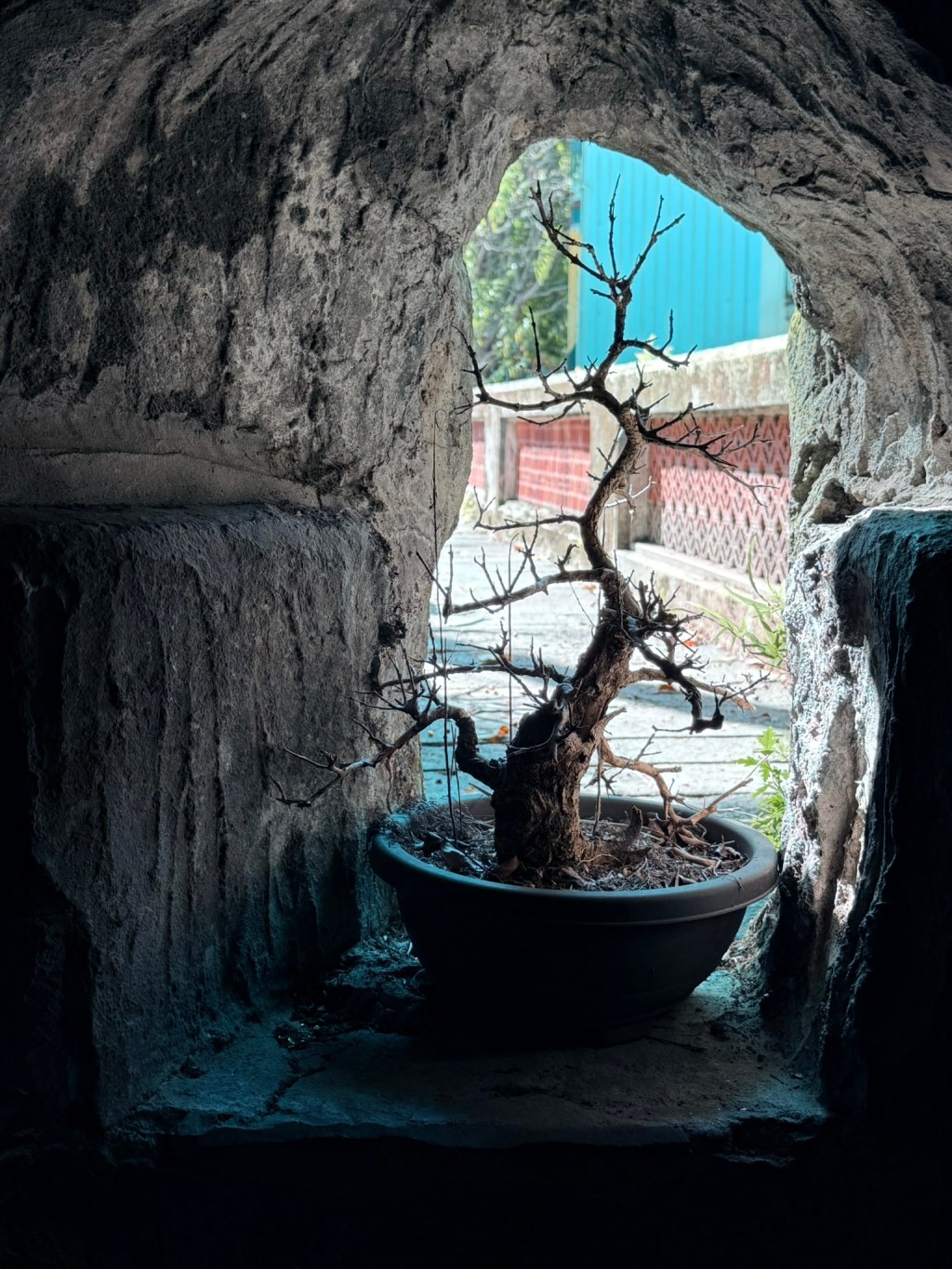
slowly, slowly, the bonsai grows. bending to the will of iron wires. out of constant strain: beauty. slowly, slowly creeping to the big bowl of freedom in the sky. Continue reading
-
Re-imagining the Balyana Priestess in Pre-hispanic Bikol
This article is an attempt to study the [mga] balyana or priestesses of Bikol and analyze some of the names in the epic-fragment of Ibalon and practices of the ancient religion as cited in the Lisboa dictionary (1754). It features three images/personalities: the Balyana, the Asog and Oryol. Balyana and Asog Many would define a priestess as Continue reading
-
surely, water
surely, water flows out of unseen caves underground to the waiting breast of mother ocean. it is the accepted fate of flowing water to be lost in immensity. and to be the Immensity. Continue reading
-
Ang Hapag-Kainan Bilang Talinghaga sa Paglinang ng Pambansang Pagkakakilanlan
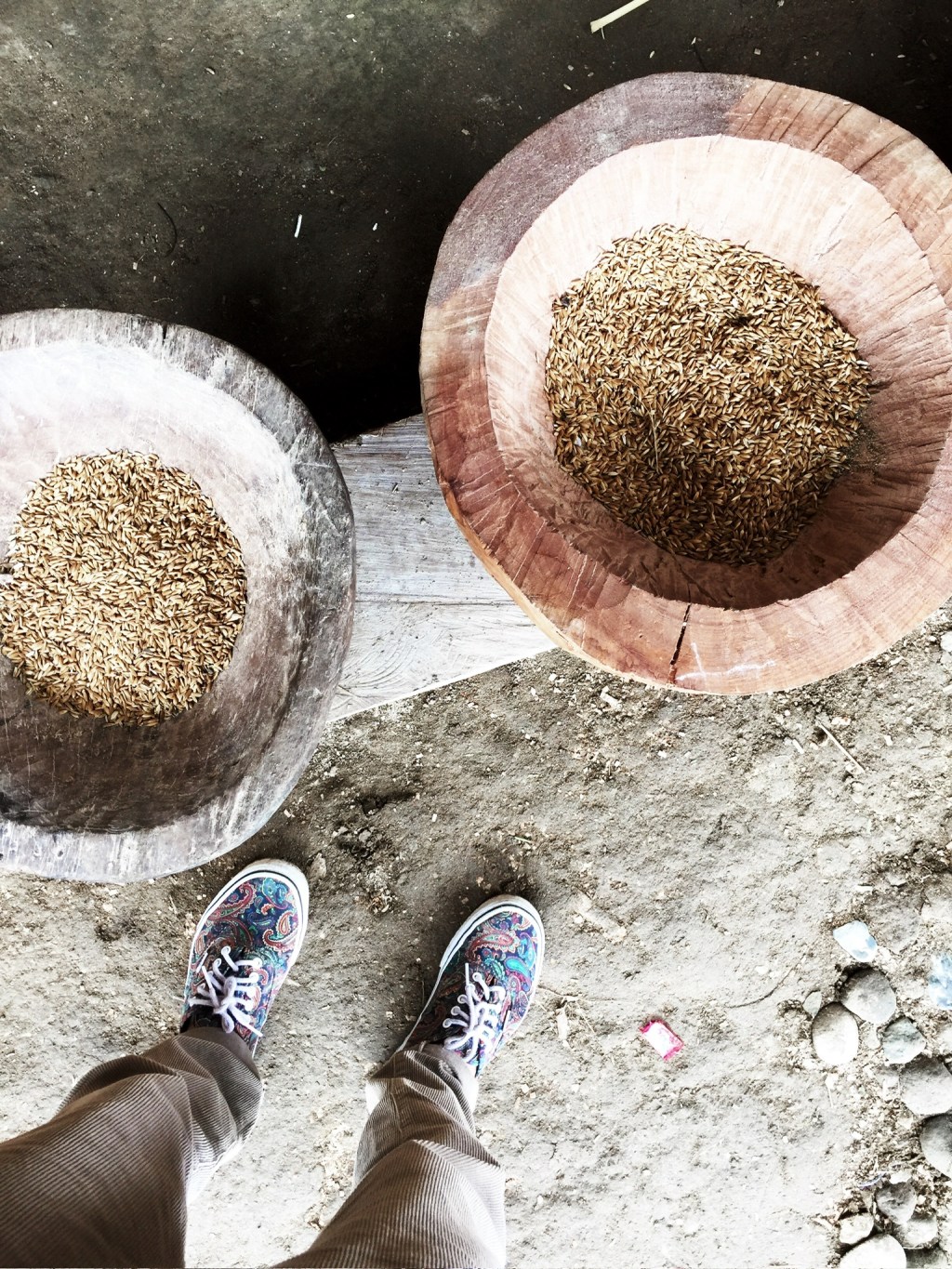
Noong nakaraang National Archives Congress (17-18 ng Nobyembre 2012) na isinagawa sa Pamantasan ng Ateneo de Davao, tinanong ni Paring Bert Alejo, SJ kung ano ang pambansang pagkain ng Pilipinas. Madali rin ang aking sagot, na kulang na lang binatong pasigaw sa naglelektyur na pari, na lechon (lechon!) ang pambansang pagkain. Bakit nga ba hindi Continue reading
-
Exploring “Experience and Expressions” in Climate Change Anthropology
The truth is, I have never heard of Wilhelm Dilthey until I’ve read “The Anthropology of Experience” edited by Victor Turner and Edward Bruner – and I am a Philosophy major. In his introduction to the book, Bruner presented him as a German thinker when Kantianism was the trend in Philosophy. This is palpable Continue reading
-
Emotions in their Cultural Contexts: the Case of Lila Abu-Lughod’s Analysis of Bedouin Ghinnawa
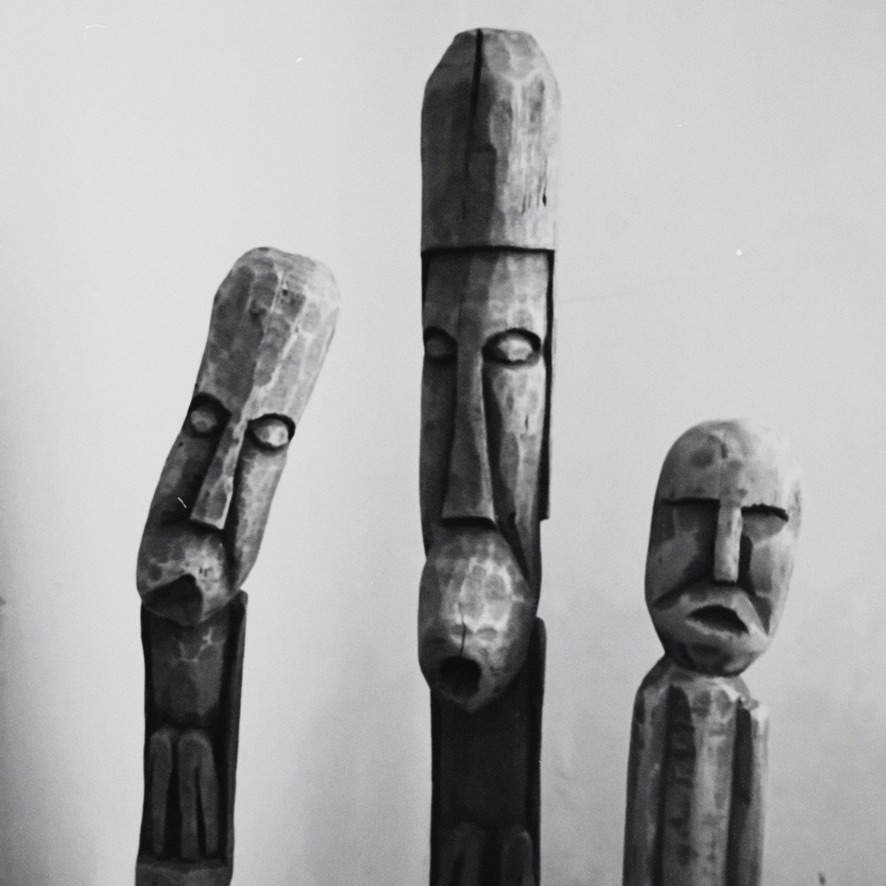
The night of the beloved’s parting Cloudcover, no stars and no moon… (A ghinnawa in Abu-Lughod, 1985) Before I was introduced to the anthropological study of emotions, I have always thought of my feelings, may it be of love, annoyance, anxiety, anger, or grief, as something that exclusively resides in the realm of my person Continue reading
-
Subscribe
Subscribed
Already have a WordPress.com account? Log in now.
 Being Here, Now.