Anthropology
-
Emotions in their Cultural Contexts: the Case of Lila Abu-Lughod’s Analysis of Bedouin Ghinnawa
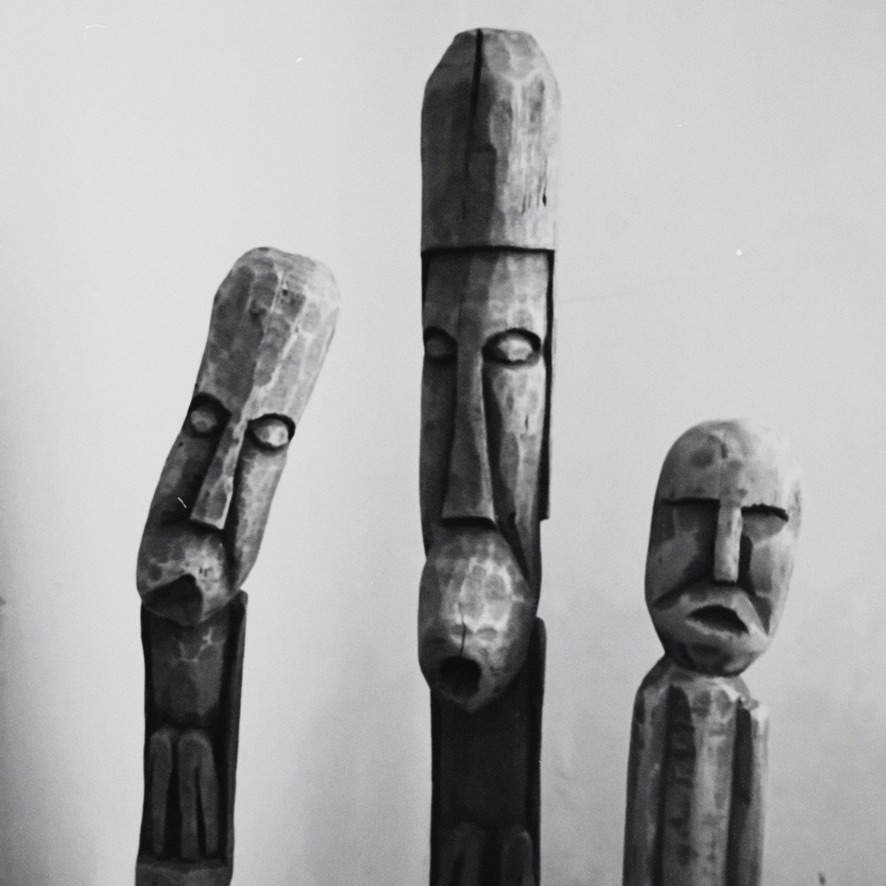
The night of the beloved’s parting Cloudcover, no stars and no moon… (A ghinnawa in Abu-Lughod, 1985) Before I was introduced to the anthropological study of emotions, I have always thought of my feelings, may it be of love, annoyance, anxiety, anger, or grief, as something that exclusively resides in the realm of my person… Continue reading
-
Claude Levi-Strauss and Maurice Bloch: Conjunctions and Disjunctions in the Theories of Language, Cognition and Anthropology
In the study of myths, their language and representations, Claude Levi-Strauss occupies a most honored status as being on the forefront of multi- and trans- disciplinary approaches to its study. His encyclopedic treatment of linguistics, ethnology and even philosophy of language, and his “taste for formal logic” (Bernard and Spencer, 1992) in his structural approach… Continue reading
-
“To be” in Klubi
[All photos were taken in Sitio Lamkua, Barangay Klubi, Lake Sebu, South Cotabato, Southern Philippines, with permissions from the elders of Klubi. Photography by Mr. Nikki Ayubo] For more on T’boli ethnography please visit: Blotik Ehek (Star of the Sharpening Stone) and Climate Change: When Traditional Knowledge Becomes Unreliable and also K’mohung and Seselong: Cultural… Continue reading
-
Blotik Éhék (Star of the Sharpening Stone) and Climate Change: When Traditional Knowledge Becomes Unreliable
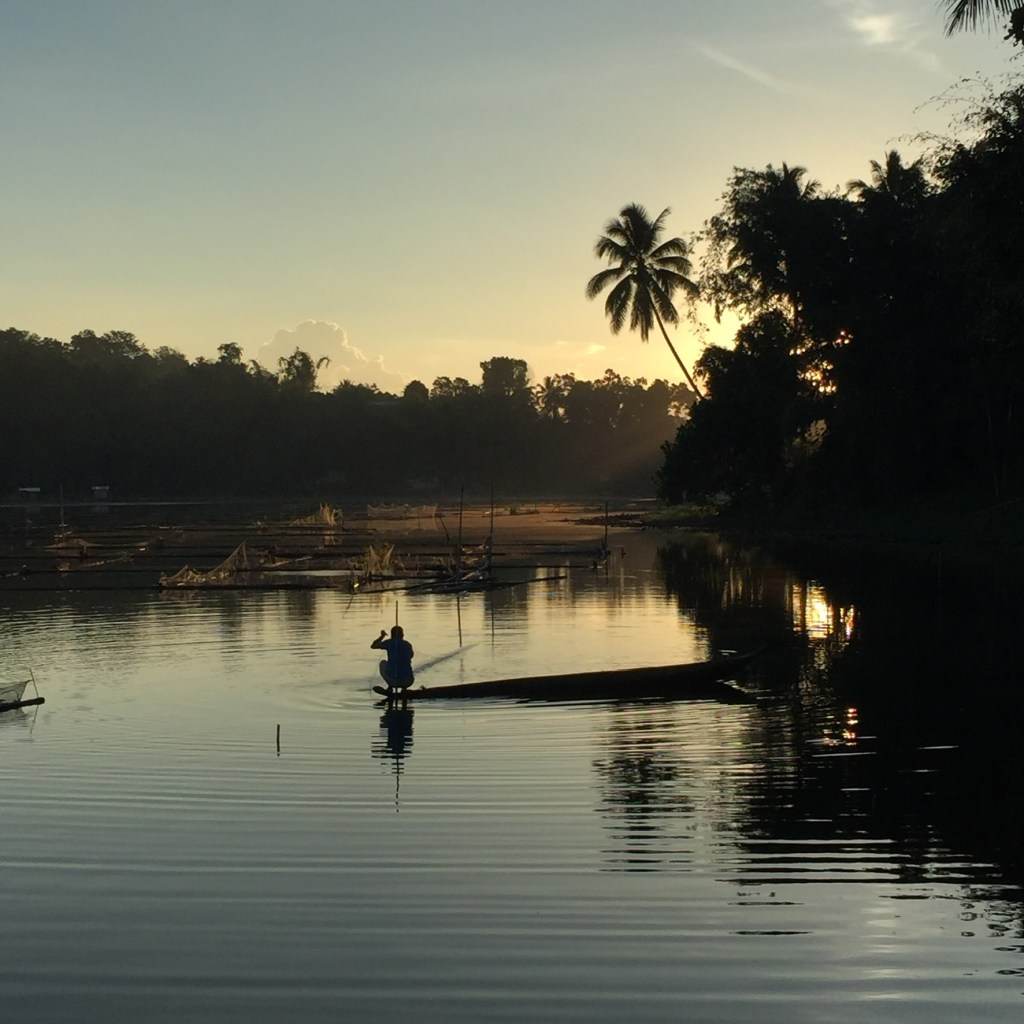
Introduction Several studies conducted by anthropologists have already substantially concluded the effects of existing, anthropogenic climate change and how it compounds indigenous peoples’ vulnerabilities adding to “existing challenges, including political and economic marginalization, land and resource encroachments, human rights violations and discrimination” (Crate 2009). These studies underline the importance of using ecological and landscape approaches… Continue reading
-
K’mohung and Seselong: Cultural Adaptation of the T’boli S’bu to the Fish Kill Phenomenon in Lake Sebu, South Cotabato

It is worthwhile to note, even in a partial ethnography, that in the highland lake complex of Lake Sebu, South Cotabato, Southern Philippines, the T’boli people integrated into their culture a special system of adaptation to the fish kill phenomenon that naturally occurs in the lake. “Naturally”, of course, is taken in the etic point… Continue reading
-
In Kutawato, Unveiling the Iranun Tarsila
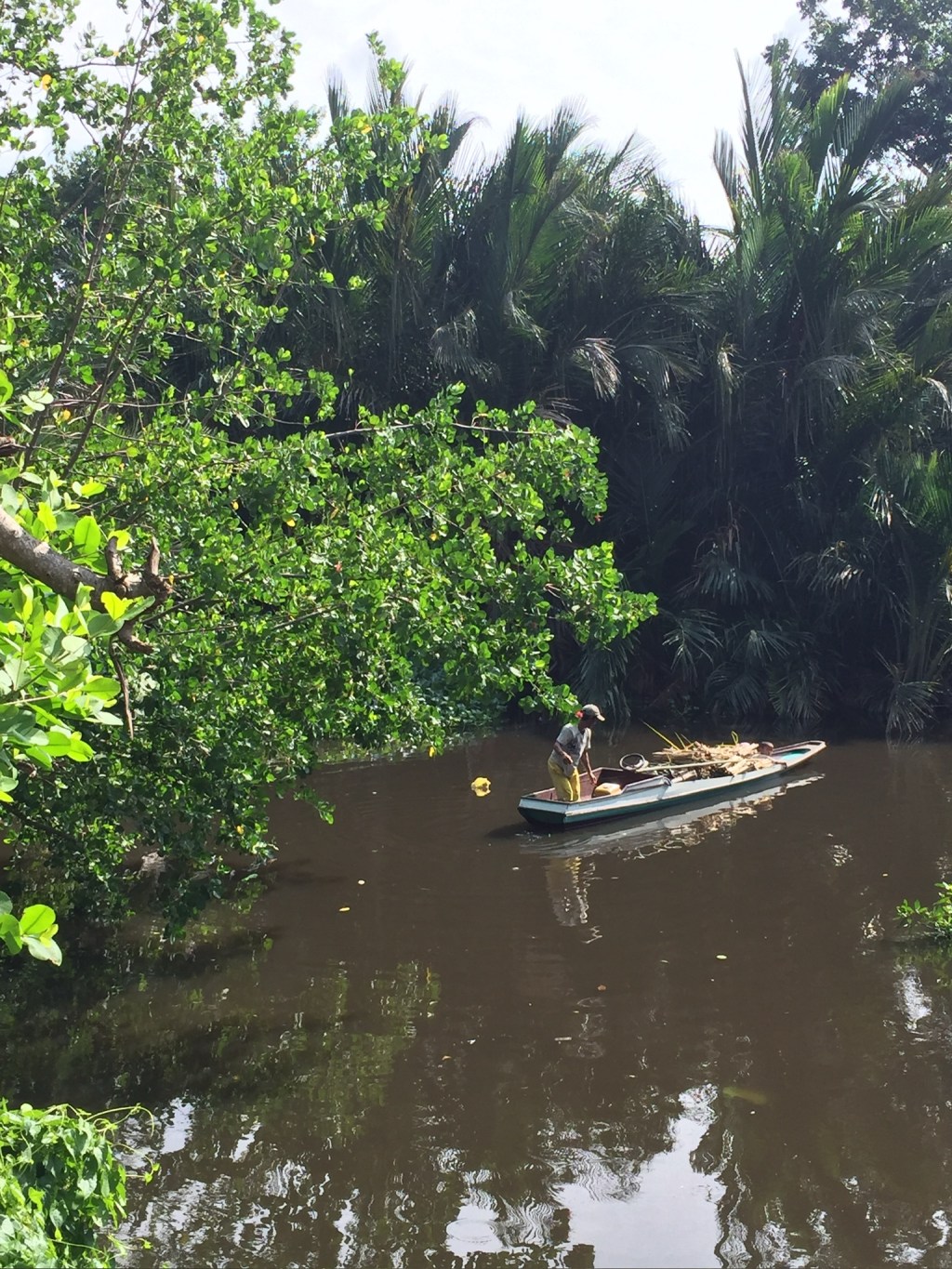
I had the unexpected good fortune to join a team doing a Focus Group Discussion on “Understanding the Iranun Tarsila as a Tool in Conflict Resolution in Mindanao”. This was organized by the Al Qalam Institute for Islamic Identities and Dialogue in Southeast Asia (Ateneo de Davao University) in Cotabato City last Sunday, 20 January… Continue reading
-
Pagbibigay Boses sa Homo Narrans Gamit ang Pagtatalambuhay
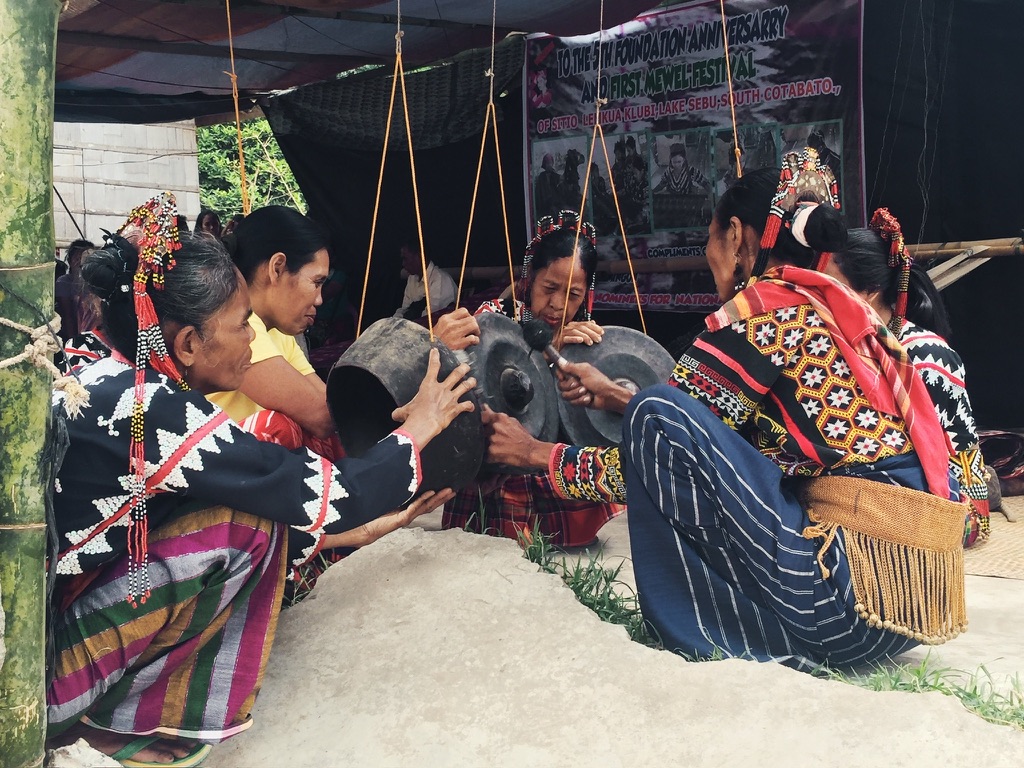
Palagi itong nagsisimula sa ganitong pormula: ang pag-ahon ng usisa at mangha, ang marahang halik ng hangin na pumipitas sa mga lumang memorya, at ang unang mga bituin, nanginginig, inilalaraw sa itim ng ating mga mata. Ganito nagkaka-anyo ang mga kuwento at sanaysay simula’t sapul noong unang panahon na nagtipon ang mga tao malapit… Continue reading
-
The ‘Foundation’ and the Science which seeks to Understand the ‘Other’
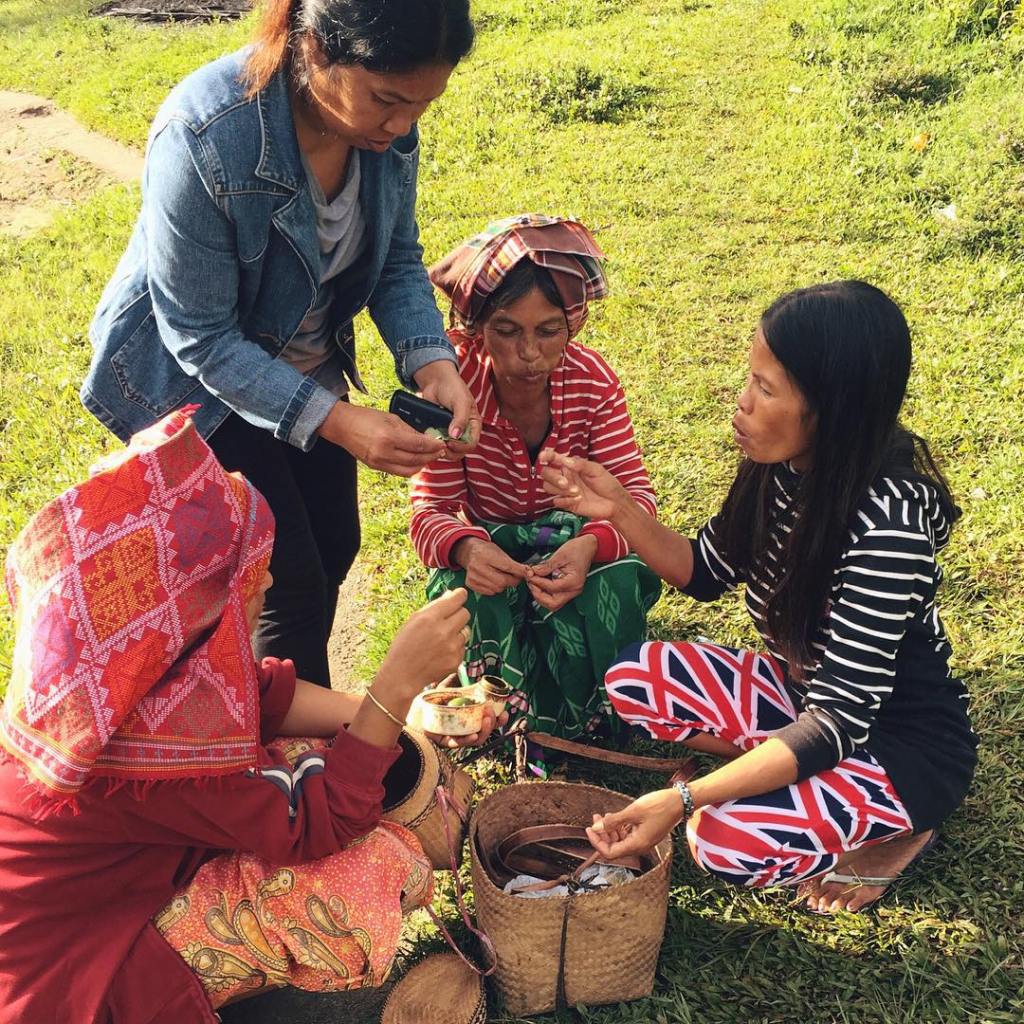
While reading on Participatory Rural Appraisal and the notes from Dr. Tomas’ presentation, I was reminded of a climactic moment in Isaac Asimov’s “Foundation” right before the planet Terminus was colonized by the Anacreonians, in a meeting of the Foundation’s Board of Trustees and Salvor Hardin, Mayor of Terminus: Hardin continued: “It isn’t just you.… Continue reading
 Being Here, Now.