lake sebu
-
Paradoxes in the Natural Wealth of Lake Sebu
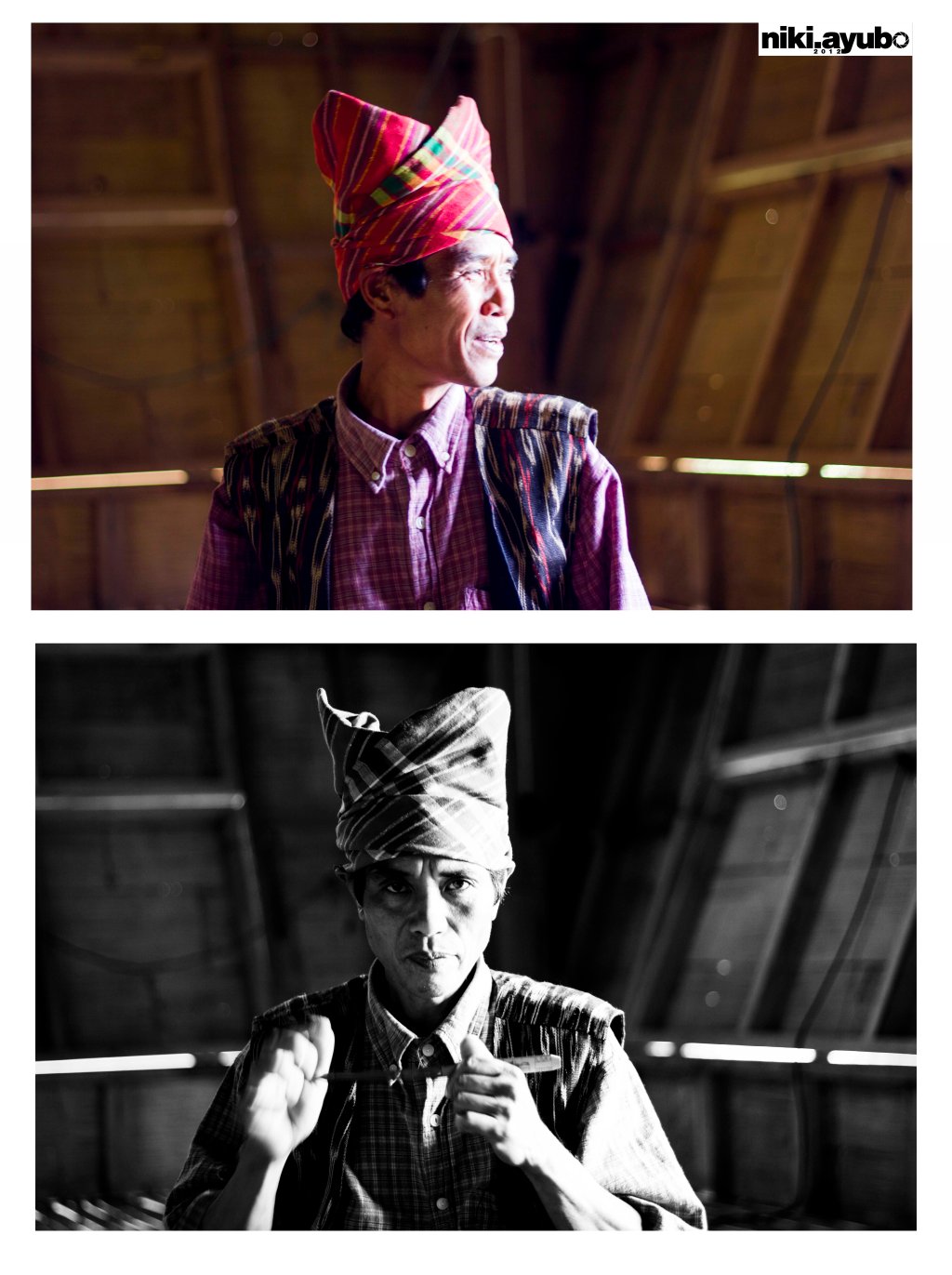
This is part of a broader study on “Climate Change Experience, Expressions, and Responses in a Tboli Community.” It is based on the understanding that indigenous peoples worldwide have been experiencing the impacts of climate change, such as extreme weather changes, longer droughts, and increasing rainfall, which cause floods and landslides. More especially to indigenous… Continue reading
-
An Interview with Yê Nida Anggol
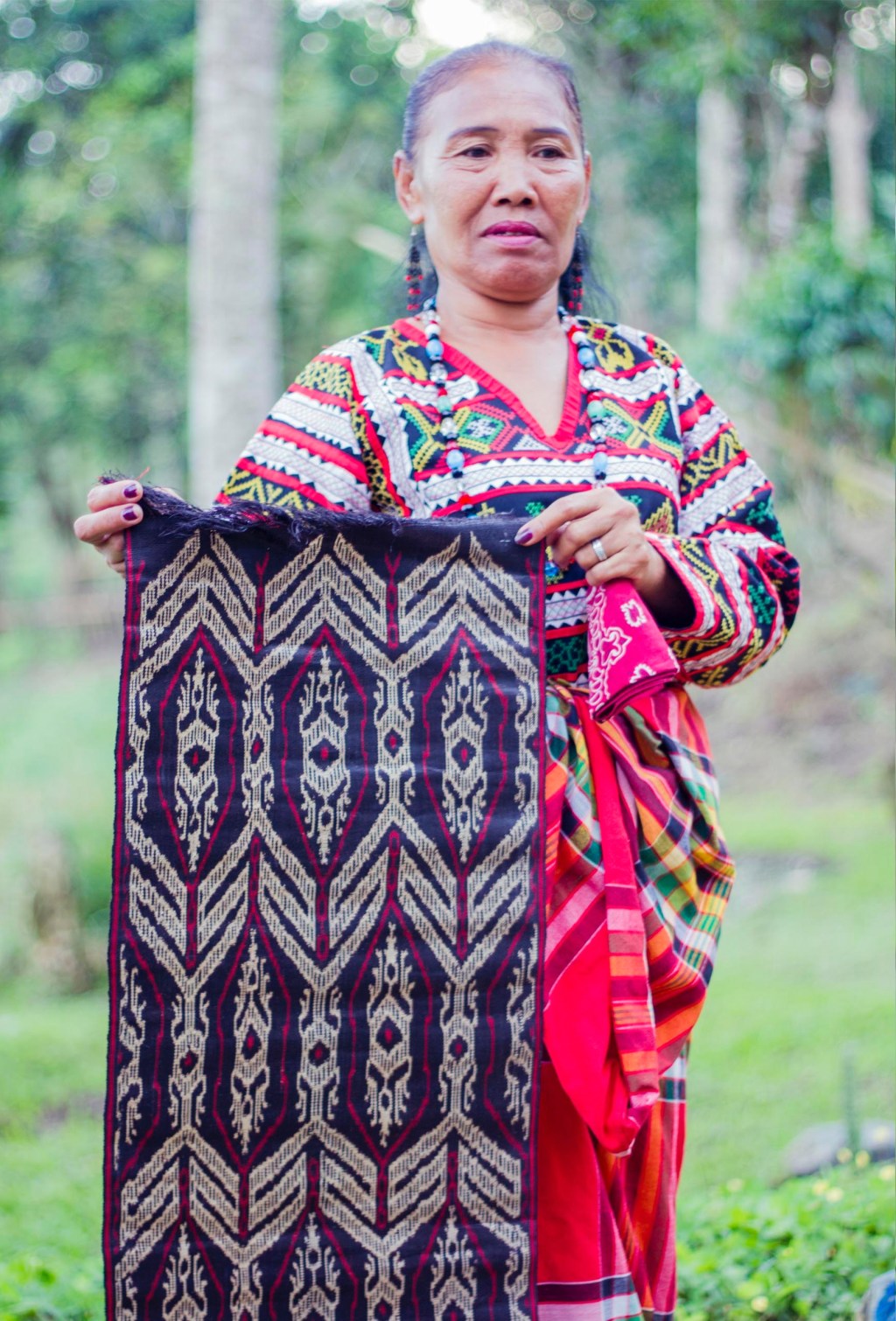
I was first introduced to Yê Nida Anggol back in 2013 when I was documenting the processes involved in the weaving of tnalak. She had a kind face, with a gentle and generous smile. She spoke to me in a Tboli that has its own cadence and rhythm, every word perfectly enunciated. She was a… Continue reading
-
Exploring “Experience and Expressions” in Climate Change Anthropology
The truth is, I have never heard of Wilhelm Dilthey until I’ve read “The Anthropology of Experience” edited by Victor Turner and Edward Bruner – and I am a Philosophy major. In his introduction to the book, Bruner presented him as a German thinker when Kantianism was the trend in Philosophy. This is palpable… Continue reading
-
“To be” in Klubi
[All photos were taken in Sitio Lamkua, Barangay Klubi, Lake Sebu, South Cotabato, Southern Philippines, with permissions from the elders of Klubi. Photography by Mr. Nikki Ayubo] For more on T’boli ethnography please visit: Blotik Ehek (Star of the Sharpening Stone) and Climate Change: When Traditional Knowledge Becomes Unreliable and also K’mohung and Seselong: Cultural… Continue reading
-
Blotik Éhék (Star of the Sharpening Stone) and Climate Change: When Traditional Knowledge Becomes Unreliable
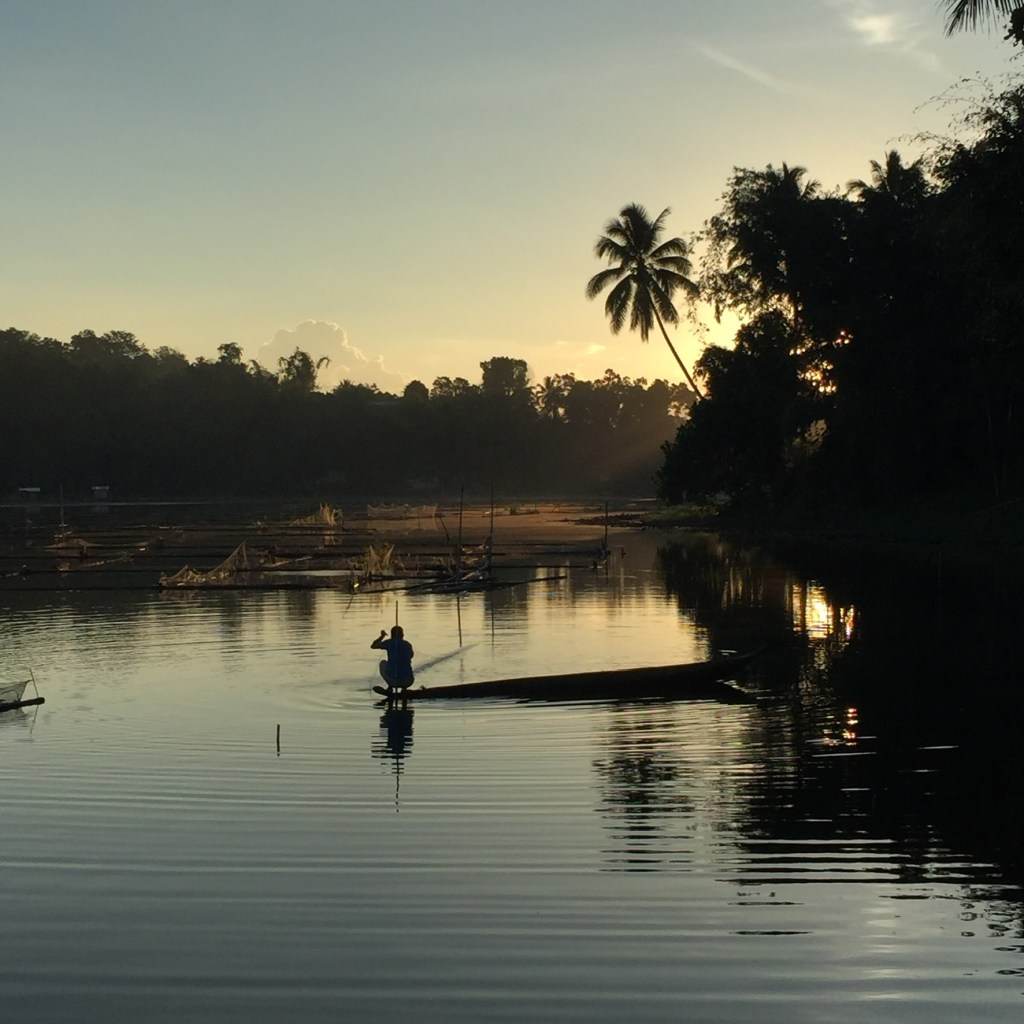
Introduction Several studies conducted by anthropologists have already substantially concluded the effects of existing, anthropogenic climate change and how it compounds indigenous peoples’ vulnerabilities adding to “existing challenges, including political and economic marginalization, land and resource encroachments, human rights violations and discrimination” (Crate 2009). These studies underline the importance of using ecological and landscape approaches… Continue reading
-
In T’boli Land, at World’s End
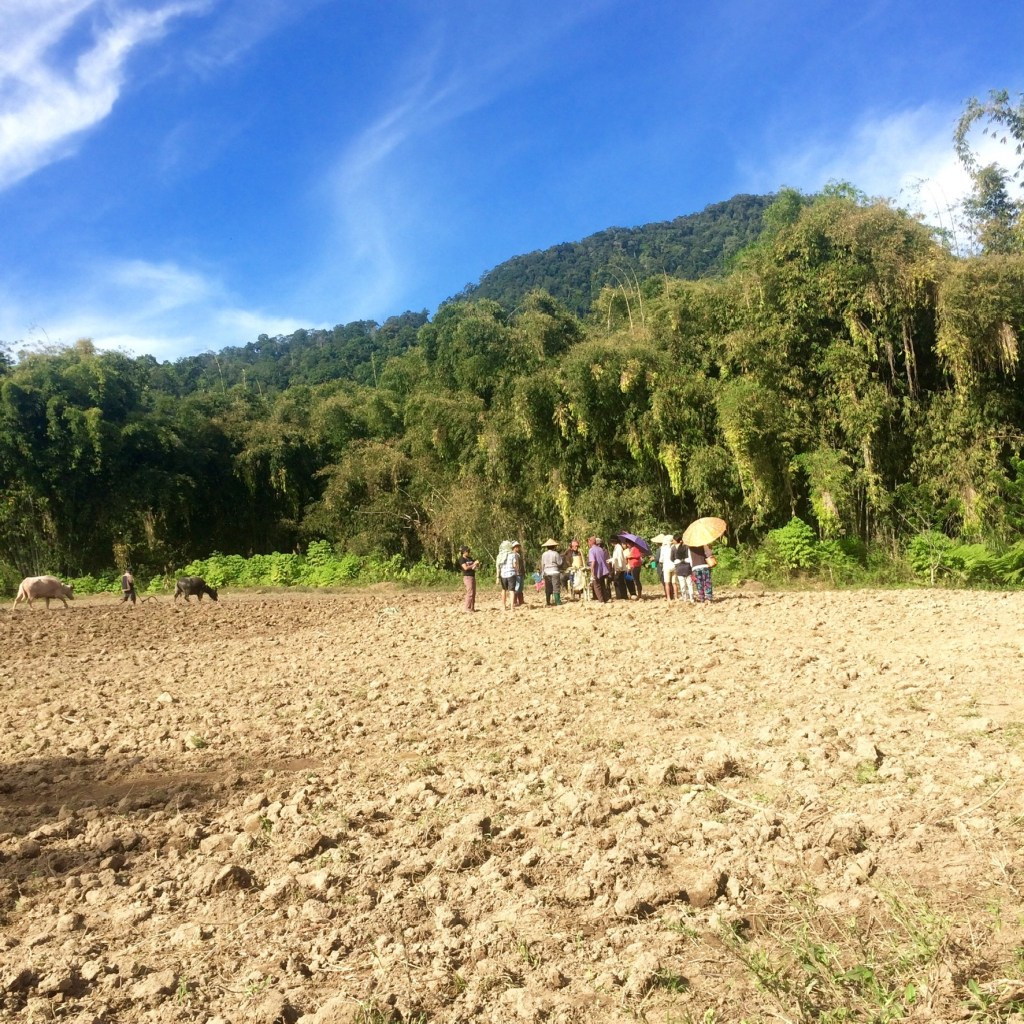
I never completely imagined myself doing some field work in the hinterlands where the nearest restroom is the most un-glamorous bush, or the only use of the cellphone is anything other than communicating, where comfort means a patched-up mosquito net or an extra pillow made from who-knows-what. The city has always been my jungle, and… Continue reading
-
Ye Kumu [T’boli T’nalak ]
This Ye Kumu, or ceremonial T’nalak cloth often used for weddings, was painstakingly crafted by weavers of the Lake Sebu Women Weavers Association, Inc. (LASIWWAI) in Brgy. Ned, Lake Sebu, South Cotabato. [With permissions from Ms Jenita Eko, President of LASIWWAI]. To purchase t’nalak from LASIWWAI, please email me at radabueza@gmail.com for details. Continue reading
-
Extricating Meanings in the Story of Boi Henwu and the Creation of Lake Sebu
I am quite aware of the power of myths. Growing up with my nanay telling us biblical stories – of Jonah being swallowed by a giant fish, of the Red Sea parting, of food falling from the sky – all kindled in my young mind a desire to read all kinds of mythology and bask… Continue reading
 Being Here, Now.